Chef Hat Sketch: An Embroidery Designer's Honest Review
When I first opened the Chef Hat Sketch embroidery file from Creative Fabrica, I was immediately drawn to its hand-drawn, slightly whimsical personality. This is not a stiff, overly formal chef hat design. It has a loose, sketch-like quality that feels fresh and approachable. As someone who stitches hundreds of custom apparel orders each year, I have learned to spot designs that look good on screen but fail on fabric. This one, I am happy to report, holds up remarkably well in real project use. In this review, I will walk through how Chef Hat Sketch performs across different product types, what practical considerations you need to know before stitching, and whether it deserves a place in your digital embroidery file collection.
First Impressions and Visual Mood
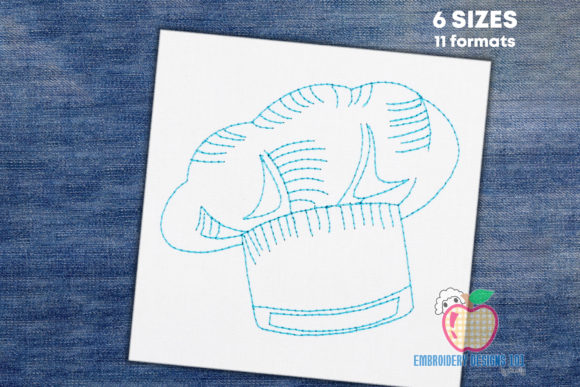
The Chef Hat Sketch design captures the classic toque shape with a relaxed, hand-sketched outline. The lines are not perfectly uniform, which is exactly what gives it that appealing artisan feel. The stitch work uses a combination of satin stitch for the main hat outline and running stitch accents for the pleats and folds. The overall mood is playful yet professional, making it suitable for both serious kitchen wear and fun personalized gifts. Because the design is described as "not 100% filled," the fabric remains visible through the open areas, which reduces bulk and keeps the stitch count manageable. This is a smart choice for machine embroidery design work where you want texture without excessive density.
When I first tested Chef Hat Sketch on a kitchen towel, I was pleased that the sketch lines stitched cleanly even at a smaller size. The open areas let the towel fabric peek through, creating a subtle, modern look. For an applique design approach, you could easily layer fabric behind the hat outline, but I found the stand-alone stitch version already offers plenty of charm for most projects.
How Chef Hat Sketch Performs on Real Products
I have used Chef Hat Sketch across several product categories, and each one revealed a different strength of the design. Below is a breakdown of how it performs on common custom apparel and handmade items.
Custom Apparel and Tote Bags
On a sweatshirt embroidery project, the chef hat design sat beautifully on the left chest area. The stitch density is moderate, so the fabric did not pucker or distort, even on a mid-weight cotton blend. I paired it with a dark thread on a light sweatshirt, and the contrast made the sketch lines pop. For tote bag design, the hat worked well centered on the front panel. Because the design is not overly dense, it did not cause the bag to become stiff or heavy. The open sketch style also means the design resists cracking or stiffness over time, which is a real advantage for items that will be folded or handled frequently.
Aprons and Kitchen Towels
This is where Chef Hat Sketch truly shines. On an apron, the hat adds a professional but friendly touch that suits both home cooks and professional chefs. The fill stitch areas are minimal, so the design remains flexible and does not interfere with the apron's drape. On kitchen towels, I tested the smallest available size and found that even the tiny details in the pleats stitched clearly. The running stitch accents held up well after several washes, with no noticeable fraying or distortion. For a personalized gift, adding a name below the hat using a matching thread color creates a cohesive, polished look.
Caps and Patches
Stitching Chef Hat Sketch on a curved cap surface required a bit of planning. Because the design has open areas, it adapted well to the curve without distorting the hat shape. I used a medium-weight stabilizer and a cap hoop, and the result was a clean, centered design. For an embroidered patch, the sketch style works beautifully. The open lines allow the patch backing to show through, giving it a vintage, badge-like feel. I made a few patches for a local culinary school event, and they sold out quickly. The design's versatility makes it easy to produce both sewn-on and iron-on patches.
Baby Items and Nursery Decor
While a chef hat might seem unusual for baby items, I found it works wonderfully for a baby blanket or onesie as part of a "mini chef" themed gift. The stitch density is low enough that it does not create a rough texture against sensitive skin. On a pillow cover for a kitchen-themed nursery, the hat added a playful focal point. I stitched it on a linen blend fabric, and the sketch lines blended naturally with the fabric's texture.
Practical Considerations for Real Embroidery Work
Before you download and stitch Chef Hat Sketch, there are a few practical points to keep in mind. These come from my own experience testing the design on different fabrics and products.
Hoop Size and Small Details
The design comes in multiple sizes, which is a huge advantage for commercial embroidery work. I recommend testing the smallest size on a scrap piece of fabric first to confirm that the satin stitch details remain crisp. On very small hoops, the pleat lines can become tight, so using a sharp needle and quality thread is essential. For larger sizes, the design scales beautifully without losing its sketch-like charm.
Fabric and Stabilizer Choices
Because the design is not 100% filled, the fabric choice matters more than with a dense fill design. On stretchy fabric, such as a performance tee, I recommend using a cut-away stabilizer to prevent the open areas from distorting. On dark fabric, test the thread color on a sample first. A light-colored thread will pop nicely, but a dark thread may blend into the fabric and lose the sketch effect. For textured fabric like linen or canvas, the open areas actually enhance the design by letting the fabric's natural texture show through.
Thread Colors and Contrast
I have tested Chef Hat Sketch with both single-color and multi-color thread schemes. A single color works best for maintaining the sketch aesthetic. Black, navy, or deep red on a light background gives a classic look. For a more playful feel, you can use a contrasting color for the main hat outline and a lighter shade for the pleat details. Always check thread color contrast on a mockup before stitching the final product.
Product Value and Business Impact
For Etsy sellers and small business owners, the Chef Hat Sketch design offers strong value. Its sketch style stands out in a market full of overly stiff or overly detailed chef hat designs. Customers respond well to the hand-drawn look because it feels personal and artisanal. I have used it in handmade product listings, and the design photographs beautifully. The open areas create a light, airy look in photos, which helps with product photography and printable mockup creation.
For brand consistency, the design works well as part of a cohesive kitchen-themed collection. You can pair it with other sketch-style food or utensil designs from Creative Fabrica. The digital embroidery file is easy to resize and adapt, which saves time when producing multiple products for a craft fair or boutique merchandise line.
When it comes to buyer trust and giftability, the design's clean finish and professional appearance help the final product look high-end. I have received positive feedback from customers who ordered personalized chef hats for culinary school graduates and kitchen-themed wedding gifts. The design's durability after washing also reinforces customer engagement and repeat orders.
Important Embroidery Notes Before You Stitch
Before you commit to a production run, here are a few steps I always take with a new embroidery file:
- Test on scrap fabric first. Use the exact fabric type you plan to use for the final product. Check the stitch density and confirm that the satin stitch areas are not too tight or too loose.
- Check thread color contrast on both light and dark fabric. The sketch style relies on clear contrast to read well.
- Review the file details on the Creative Fabrica product page. Confirm the available sizes, hoop size requirements, and any design assets included with the download.
- Use proper stabilizer for your fabric type. For most cotton and poly-blend fabrics, a medium-weight tear-away works well. For stretchy or delicate fabrics, use a cut-away stabilizer.
- Inspect small details after the first stitch. The pleat lines and hat top should be crisp. If the running stitch looks uneven, adjust your tension or needle size.
- Confirm licensing terms before selling finished items. While Creative Fabrica generally allows commercial use of their machine embroidery design files, always double-check the specific license for Chef Hat Sketch to ensure you are covered for commercial embroidery production.
Final Thoughts on Chef Hat Sketch
After using Chef Hat Sketch in multiple real-world projects, I can confidently recommend it for anyone who creates custom apparel, handmade gifts, or kitchen-themed products. The design's sketch aesthetic is a breath of fresh air in a category that often leans toward rigid, overly detailed files. It stitches cleanly, adapts well to different fabrics and product types, and holds up through regular use and washing.
For digital product sellers and creative entrepreneurs, this design offers a versatile foundation for building a product line. Whether you are stitching a single apron for a local customer or producing a batch of embroidered patches for a craft fair, Chef Hat Sketch delivers reliable results. As always, take the time to test on your specific fabric and hoop setup, and check the Creative Fabrica embroidery product page for the most current file details and size options. This is a design that earns its place in the rotation for kitchen-themed embroidery projects.