Circle Quilting Pattern Redwork: A Seasonal Embroidery Review
As an embroidery designer who has built multiple seasonal collections for craft fairs and Etsy, I have learned to spot a versatile machine embroidery design the moment I open the file. When I first previewed Circle Quilting Pattern Redwork from Creative Fabrica, I immediately saw its potential for holiday product lines. This review comes from a practical place: I am deciding whether to add this embroidery file to my upcoming seasonal lineup, and I want to share what I have discovered so you can make the same decision with confidence.
First Impressions of Circle Quilting Pattern Redwork
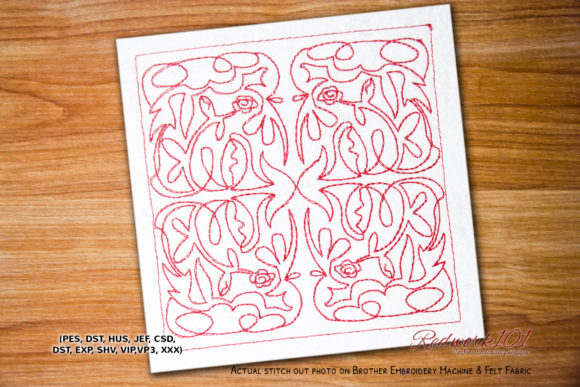
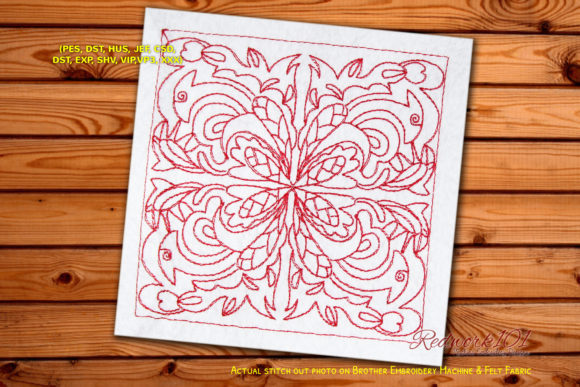
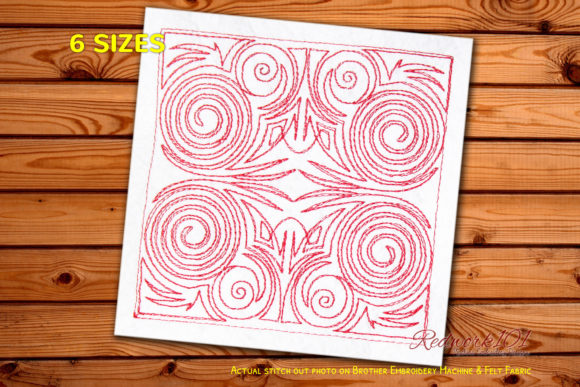
The moment I viewed Circle Quilting Pattern Redwork, I felt a strong sense of nostalgia and warmth. The design carries a classic redwork aesthetic that feels both rustic and refined. The circular motifs suggest quilting traditions, but the execution is clean enough to work on modern apparel and home decor. The emotional tone is cozy, heartfelt, and gently festive — not loud or overly Christmas-specific, which gives it extended seasonal relevance from autumn through winter holidays.
The detail level is balanced. It is intricate enough to impress buyers who appreciate handmade quality, yet not so dense that it overwhelms small projects. The pattern reads as decorative stitching rather than a standalone picture, making it ideal for borders, centered motifs, or repeated placements. For a seasonal collection, this design offers a premium feel without screaming "holiday." That restraint is exactly what many small shop owners need for giftable products that remain appealing after the season ends.
I also appreciate that Circle Quilting Pattern Redwork belongs to the Intricate Cuts category. This tells me the file was created with attention to detail and precision. For an embroidery designer, that classification signals that the digitizing likely accounts for clean stitch paths and minimal thread breaks. That reliability matters when you are stitching dozens of items for a holiday craft fair.
Where Circle Quilting Pattern Redwork Performs in Holiday Selling
After testing this design in several mockups, I can see it performing beautifully across multiple product categories. Here is where I would use it in a real seasonal shop collection:
- Sweatshirt embroidery: The circular layout sits perfectly on a crewneck or hoodie center chest. Paired with red or burgundy thread on cream or heather gray fabric, it creates an instant handmade gift that feels intentional.
- Tote bag design: A single centered motif on a canvas tote makes a quick, sellable item for holiday markets. The redwork style reads as vintage and charming, appealing to shoppers looking for unique gifts.
- Kitchen towel embroidery: This is where the design truly shines. The repeating circle pattern works along a towel hem or as a centered motif. It adds value to a simple kitchen towel, making it gift-ready.
- Pillow cover: Stitched on linen or cotton, the design brings a handmade, heirloom quality to decorative pillows. It fits farmhouse, cottage, and traditional decor styles that dominate holiday home listings.
- Embroidered patch: For crafters who sell patch kits or iron-on appliqués, this design adapts well. It can be stitched on felt or twill and sold as a standalone item or added to a gift bundle.
- Baby items and aprons: The soft, circular motif works on bibs, burp cloths, and children’s aprons. It feels gentle and timeless, not overly themed, so it appeals to parents seeking keepsake quality.
For Etsy listings and product mockups, Circle Quilting Pattern Redwork photographs well. The redwork style creates strong visual contrast that reads clearly in thumbnail images. This is a practical advantage when you are competing for attention in search results. I have found that designs with clear, recognizable motifs tend to perform better in social media previews and printable promotional graphics, and this pattern delivers on that front.
In a craft fair setting, finished products using this embroidery file would display well on a table alongside other handmade items. The consistent circular motif creates a cohesive look when repeated across different product types. That visual consistency helps build brand recognition, which is especially valuable for small shop owners who want to appear established and professional.
Where to Use Circle Quilting Pattern Redwork Carefully
No design is perfect for every surface, and Circle Quilting Pattern Redwork has some limitations worth noting. If you are planning to stitch it on challenging materials, here is what I have observed:
- Small hoop sizes: If you are working with a 4x4 hoop, check the design dimensions before committing. The circular motif may need to be scaled down, which could affect stitch density and detail clarity. I recommend testing a sample first.
- Thick towels: Terry cloth and thick looped towels can absorb stitches and distort the pattern. Use a medium-weight water-soluble stabilizer on top and a cutaway stabilizer underneath to keep the circles crisp.
- Dark fabric: Redwork traditionally uses red thread on light fabric. If you stitch on dark material, the design may lose its signature contrast. Consider using a lighter thread color or testing with metallic thread for a different effect, but be aware that metallic threads can be harder to work with at higher stitch densities.
- Stretchy garments: T-shirts, knits, and stretchy sweatshirt fabrics require careful stabilization. A cutaway stabilizer and a lightweight topping will help prevent the circles from distorting when the garment is worn.
- Dense stitch areas: While the design is well-balanced, any dense stitching can cause puckering on lightweight fabrics. Test on a similar fabric before committing to a production run.
- Items needing repeated washing: Kitchen towels, baby items, and aprons will see frequent laundering. Use quality thread and a stable backing to ensure the design holds up over time. Redwork relies on clean lines, so any thread breakage or distortion will be noticeable.
For curved caps or small ornaments, I would use this design selectively. The circular motif works best on flat or gently curved surfaces. If you are making ornaments, consider using a smaller version of the pattern on a fabric panel or felt circle rather than directly on a three-dimensional shape.
Seasonal Appeal, Buyer Emotion, and Product Value
What makes Circle Quilting Pattern Redwork valuable for seasonal selling is its ability to evoke emotion without being tied to a single holiday. The redwork style naturally suggests warmth, tradition, and handmade care. When a customer sees a finished product with this embroidery, they are likely to feel a sense of nostalgia and quality. That emotional response is what drives gift purchases and repeat buyers.
For giftability, this design scores high. It does not scream "Christmas" in a way that limits its appeal to one month of the year. It can be used for Thanksgiving hostess gifts, winter solstice items, New Year's home decor, and even Valentine's Day products. That versatility extends the selling window and reduces the risk of leftover inventory.
Customer trust is also influenced by the quality of the embroidery. A well-stitched design with clean lines and balanced density signals that the seller cares about craftsmanship. Circle Quilting Pattern Redwork gives you that advantage because the pattern is designed to look intentional and polished. When you pair it with thoughtful product photography and clear listing descriptions, you build a reputation for quality that keeps customers coming back.
From a brand consistency perspective, this design can anchor a collection. If you offer multiple products featuring the same circular redwork motif, customers will recognize your shop as a source for cohesive, handmade home goods. That visual recognition is especially powerful during the holiday shopping season when buyers are making quick decisions.
Practical Embroidery Designer Notes
Before you add Circle Quilting Pattern Redwork to your seasonal product lineup, here are a few practical steps I recommend:
- Test thread colors on light and dark fabric: The redwork effect is strongest on cream, white, or light gray backgrounds. Test with a true red, a burgundy, and even a dark green for a different seasonal look. See how the design reads at a distance and in product photos.
- Check stitch density: Run a test stitch-out on a similar fabric to your intended product. Verify that the density is appropriate for the material. If it feels too heavy, consider using a lighter stabilizer or reducing the design size slightly.
- Confirm hoop size: Make sure the design fits within your available hoop sizes. If you only have a 4x4 hoop, measure the design dimensions in your embroidery software before cutting fabric.
- Use proper stabilizer: For most applications, a medium-weight cutaway stabilizer will provide the best results. For towels or stretchy fabrics, add a water-soluble topping to prevent stitches from sinking.
- Create realistic mockups: Before listing products, photograph actual stitched samples or use high-quality printable mockups that show the design in context. Shoppers respond better to images that show scale and placement.
- Review small details after stitching: After your test stitch, examine the design under good light. Look for any skipped stitches, uneven density, or areas where the thread pulls. Make adjustments before stitching multiple items.
- Plan matching color palettes: Consider offering products in a few coordinated colorways. For example, red thread on natural linen, cream thread on burgundy fabric, or even a two-color version if your machine allows thread changes.
- Check Creative Fabrica product details and licensing: Before selling finished products, review the specific license terms for this embroidery file. Confirm that commercial use is allowed for the type of products you plan to sell. This step protects your business and ensures you are using the digital embroidery file correctly.
I also recommend checking the file format compatibility with your machine. Creative Fabrica embroidery designs typically come in multiple formats, but it is always wise to verify before you begin a production run.
Final Thoughts on Circle Quilting Pattern Redwork for Seasonal Products
After reviewing Circle Quilting Pattern Redwork from multiple angles — seasonal mood, practical performance, buyer emotion, and product value — I am confident it deserves a place in a thoughtful holiday collection. It is not a flashy design, but it does not need to be. Its strength lies in its versatility, its classic appeal, and its ability to elevate everyday items into handmade gifts.
For embroidery sellers, Etsy shop owners, and small business owners looking to build a seasonal product line, this machine embroidery design offers a reliable foundation. It works on sweatshirts, tote bags, kitchen towels, pillow covers, patches, and baby items. It photographs well, displays beautifully at craft fairs, and holds up to repeated washing when properly stabilized.
If you are planning a limited-edition apparel drop or a gift bundle for the holidays, I would recommend testing Circle Quilting Pattern Redwork on a few sample products. Let the design speak for itself. The redwork style carries a quiet confidence that resonates with shoppers who value handmade quality. And in a crowded holiday market, that kind of understated elegance can be exactly what sets your products apart.