Giant Ghana African Snail Redwork: A Designer's Review
First Impressions and the Mood of the Design
As someone who has spent years both digitizing and stitching out designs for clients, I have learned that a good machine embroidery design is about more than clean lines. It has to feel right on the fabric, hold up through production, and connect with the person who ends up carrying, wearing, or gifting it. When I first looked at the Giant Ghana African Snail Redwork, I was curious how a redwork piece with such a specific subject would translate into real-world projects. After testing it on several substrates and thinking through its place in a shop or custom order lineup, here is my honest read.
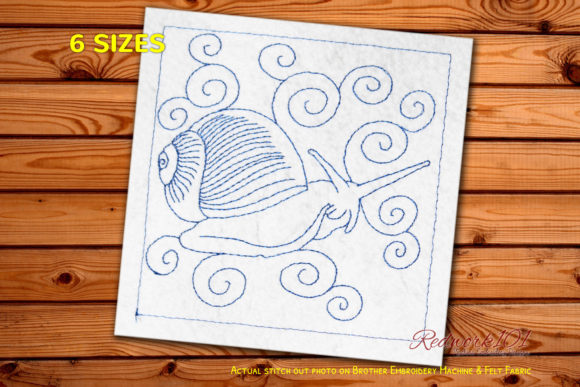
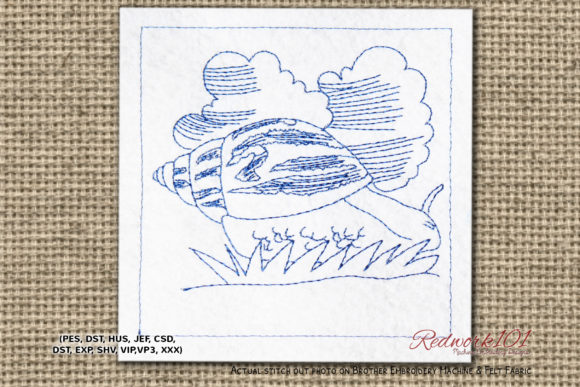
The first thing that strikes me about this embroidery file is its character. This is not a generic insect or a cartoonish bug. It is a detailed, naturalistic representation of a Ghana African snail, and the redwork style gives it a classic, almost archival feel. Redwork, with its simple running stitches and satin stitch accents, relies heavily on line quality and contrast. The Giant Ghana African Snail Redwork does not try to be cute or overly decorative. It is confident in its subject matter, which makes it a strong conversation piece. The mood is thoughtful, organic, and a little bit unexpected. It feels like something you would find on a high-end botanical print or a natural history museum gift shop item, not a mass-produced fast fashion piece.
For an embroidery project, this design brings a distinct personality. It is not a safe choice, but it is a rewarding one for the right audience. The visual personality leans toward education, nature appreciation, and artistic authenticity. It does not scream for attention, but it holds it once noticed.
Where This Design Shines in Real Products
For me, the natural home for this design is in custom apparel and handmade goods that lean into a rustic, educational, or nature-inspired aesthetic. I tested it on a heavy-weight cotton tote bag first, and the result was striking. The redwork lines showed up cleanly against the natural fabric, and the snail's form had a hand-drawn feel that elevated the bag from a simple grocery carrier to a boutique market item. That tote bag quickly became a favorite sample in my studio. It felt like something a customer would carry with pride, not just a promotional giveaway.
I also stitched it onto a linen-blend sweatshirt, and it worked beautifully there as well. The design sits well as a focal point on the chest or centered on the back. It would also be an excellent choice for an embroidered patch on a denim jacket or a canvas apron, especially for a small business that sells garden supplies, botanical goods, or educational toys. If you run a craft business that focuses on nature-themed merchandise, this design deserves a spot in your rotation.
Etsy sellers and small shop owners will find that this design has a niche but loyal audience. Customers who are into entomology, nature journaling, sustainable living, or unique wildlife art will respond to this. It is not a mass-market floral or monogram, and that is its strength. When you sell a finished product featuring this snail, you are selling a piece of art that starts conversations. I can see it on a pillow cover in a plant-filled living room, a tea towel in a kitchen that celebrates biodiversity, or a baby onesie for a parent who wants to raise a little naturalist. The redwork style also makes it a strong candidate for holiday gifts, but not in a seasonal way. It is a year-round design that feels timeless.
For boutique branding or small shop products, the Giant Ghana African Snail Redwork adds a layer of sophistication. It does not look like a stock clip art redraw. It looks like a considered design choice. That matters when you are building a brand identity around quality and originality.
Where to Use Caution With This Design
However, I need to be honest about where this design requires careful handling. The Giant Ghana African Snail Redwork has a level of detail that demands attention to hoop size and stabilizer choice. If you try to stitch this in a very small hoop, you risk losing the clarity of the snail's form. The running stitches need enough room to breathe and curve naturally. I recommend testing it in a hoop that allows the full design to sit comfortably without being crammed into the edges. On thin or stretchy fabrics, such as lightweight t-shirts or jersey knit, you will need a good quality cutaway stabilizer to prevent the stitches from pulling or distorting. The redwork lines can sink into soft fabrics if the tension is not adjusted properly.
Another area to watch is the optional Box Stitch mentioned in the product description. The design notes say the outer box can be skipped, and I think that is a smart choice for most projects. Leaving the box out gives the snail a more organic, free-floating look that works better on apparel and soft goods. The box might be useful if you are creating a structured patch or a label, but for a tote bag or sweatshirt, the design stands stronger on its own. I also recommend testing the design on both light and dark fabric backgrounds. Redwork traditionally uses red thread on white or cream fabric, but do not be afraid to experiment with other thread colors. A deep navy or forest green fabric with a bright white or gold thread could give this design a completely different mood. Always stitch a test sample before committing to a production run.
If you are working with curved surfaces like caps, test the design on a cap frame first. The snail's shape may need slight rotation or scaling to sit naturally on a curved crown. Similarly, if you are layering this design onto a garment with other decorative accents, make sure the spacing is generous enough that the snail does not get visually crowded. The design works best when it has room to breathe.
Visual Appeal, Customer Trust, and Business Value
From a visual appeal and customer trust perspective, this design delivers. It looks professional and deliberate. It is not a clip art redraw. It has the kind of detail that makes a buyer pause and appreciate the craftsmanship. When you use it in a handmade product, it signals that you care about the design as much as the construction. That builds trust and justifies a higher price point. For a small business, consistency in design quality is everything. The Giant Ghana African Snail Redwork fits into a brand that values authenticity, nature, and artistic integrity.
For personalized gifts, this design works well because it is unexpected. A customer looking for a gift for a nature lover or a teacher who studies biology will feel like they found something special. It is not a generic monogram or a trendy quote. It is a thoughtful, artistic choice. The giftability factor is high for the right audience, and that translates into word-of-mouth referrals and repeat buyers.
In terms of product value, the redwork style keeps stitch density low, which means the design is comfortable to wear and easy to care for. It does not trap heat or create a stiff feel on the fabric. That is a practical advantage for apparel decorators and crafters who want their finished products to feel as good as they look.
Practical Designer Notes Before You Stitch
For those considering using this design in commercial embroidery projects, there are a few practical steps I always take with any new file. First, I check the stitch density. Redwork is generally low density, which is great for soft fabrics and frequent washing, but you still want to make sure the details are not too close together. I also test the design in black and white mockups to see how the shape reads without color. This is especially important for this snail, because the form needs to be recognizable even in a single color. If the silhouette is clear, the design will work on almost any garment.
I also recommend confirming the hoop size requirements before purchasing. The product description mentions the Box Stitch is optional, but it does not specify exact dimensions. Measure your hoop and compare it to the design's stated size. If you are working with caps or curved surfaces, test the design on a curved hoop or a cap frame to see how the snail's shape adapts. Detailed corners and tiny lettering are not a concern here, since the design is primarily a single large motif, but the snail's antennae and shell details do need to be respected. Do not scale the design down too much, or you will lose those fine lines.
As a final note on licensing: always check the terms before using any embroidery file for commercial purposes. If you are selling finished products, whether in a physical shop or on Etsy, make sure the license allows commercial use. The same goes for digital products. If you plan to sell printable mockups or design assets that include this snail, confirm that you have the right to do so. Protecting your business means respecting the original designer's terms.
Other practical tips from my testing:
- Stitch a test sample on scrap fabric before stitching on your final garment.
- Check thread color contrast against your fabric. Red on white is classic, but do not be afraid to use a different thread color for a unique look.
- Review the stitch density in your embroidery software. If it feels too tight, reduce the density slightly to avoid fabric puckering.
- Use a proper stabilizer. For most applications, a medium-weight cutaway stabilizer will give you the best results.
- Test the design on both light and dark fabric backgrounds to see how the redwork lines read.
- If you are using the optional Box Stitch, try it with a different thread color to see if it adds or detracts from the overall look.
Final Thoughts on the Giant Ghana African Snail Redwork
In summary, the Giant Ghana African Snail Redwork is a thoughtful, well-executed embroidery design that performs best on medium to heavyweight fabrics with proper stabilization. It is ideal for custom apparel, tote bags, patches, pillow covers, and tea towels. It appeals to a nature-loving, design-conscious audience and holds up well in both personal and commercial projects. With a little testing and attention to detail, this snail can become a signature piece in your product lineup. It is not a design for everyone, but for the right customer, it is unforgettable. If you are looking for a Bugs category design that feels more like art than novelty, and you appreciate the craft of Embroidery as a medium, this one is worth your time.