Greek Helmet Embroidery Design
The Greek Helmet embroidery design offers a unique blend of historical inspiration and modern appeal, making it a strong contender for craft fair products and handmade items. As an experienced embroidery designer, I’ve evaluated this design in various contexts to determine its potential for success on the booth and online.
First Impression and Visual Appeal
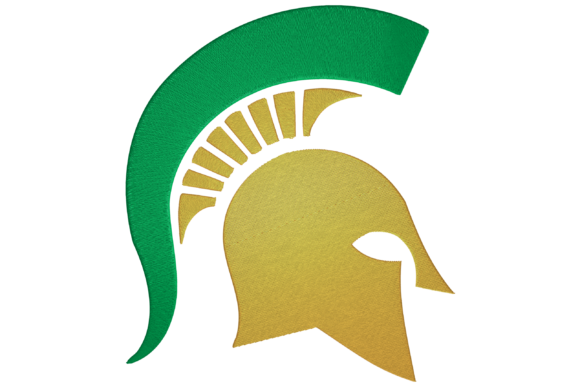
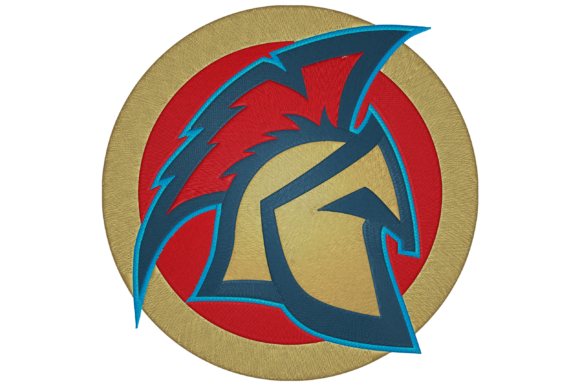
From the first glance, the Greek Helmet design exudes a sense of boldness and sophistication. It’s not overly cute or rustic, but rather has a premium, decorative quality that can elevate any product. The design feels versatile enough to work on both casual and more refined items, depending on how it's applied.
Its clean lines and structured shape make it visually striking, especially when placed as a focal point on larger items like tote bags or pillow covers. It doesn’t feel too heavy or overwhelming, which is a key factor when considering what customers might find appealing at a craft fair.
Performance on Different Products
The Greek Helmet design works well across a variety of craft fair products. On a tote bag design, it stands out as a statement piece, drawing attention without being too busy. For apron embroidery or tea towel embroidery, it adds a touch of elegance and can be used as a subtle accent or a main feature.
As an embroidered patch, the design maintains clarity and detail, making it ideal for caps, jackets, or small pouches. It also translates well to pillow covers, where it can serve as a central motif that adds visual interest and uniqueness to home decor items.
On market bags and handmade gifts, the Greek Helmet design can be used as a small, repeatable element, adding a consistent brand aesthetic. Its structure makes it suitable for commercial embroidery projects, where consistency and clarity are essential.
Practical Selling and Production Points
One of the most important factors for craft fair sellers is how easy a design is to produce in bulk. The Greek Helmet design appears to be well-structured, with clear areas that don’t require excessive stitching. This makes it easier to manage in terms of stitch density and hoop size, especially when working with smaller items like patches or fabric pouches.
It also photographs well for Etsy listings and printable mockups, which is crucial for online sales. The design’s sharp edges and defined shapes help it stand out in digital formats, making it more likely to catch a buyer’s eye.
However, it’s important to consider the fabric texture and thread colors when applying the design. Dark fabrics may require a contrasting thread color to ensure visibility, while textured materials like towels or thick cotton may need additional stabilizer to prevent distortion.
Careful-Use Notes
While the Greek Helmet design is generally straightforward, there are a few considerations to keep in mind. Areas with dense stitching may require extra care to avoid puckering or uneven coverage. Tiny details, such as the rim or decorative elements, could be challenging on very small items or when using limited thread colors.
When working with curved surfaces like caps or rounded pouches, the design may need slight adjustments to maintain its shape and alignment. Additionally, the design may lose some clarity when scaled down, so it’s best suited for medium to large applications.
Impact on Visual Appeal and Customer Engagement
The Greek Helmet design has a strong visual presence that can draw customers to your booth. Its structured look gives a sense of quality and craftsmanship, which is essential for handmade products. When displayed on a table of small shop products, it can act as a conversation starter and help differentiate your offerings from others.
For digital embroidery file sellers, this design could be a valuable addition to a collection, especially if marketed toward those interested in military-themed or historically inspired designs. It also supports brand consistency when used across multiple product types, reinforcing a cohesive aesthetic.
Embroidery Designer Notes
Before finalizing the Greek Helmet design for production, I recommend testing it on scrap fabric to evaluate how it looks on different materials. Pay close attention to thread contrast and spacing to ensure it reads clearly at various sizes.
Confirming the hoop size is also essential, especially if you plan to use the design on a range of products. If the design requires a larger hoop, make sure your machine can accommodate it. Checking the stitch density will help you understand how much time and resources the design will take to produce.
Creating a real mockup of the design on a sample item—like a tote bag or apron—can give you a better sense of how it will look in person. Comparing fabric colors and textures will also help you decide which combinations will work best for your target audience.
Finally, always verify the commercial licensing before selling finished products, even if the design description mentions it. This ensures you’re compliant and avoids any legal issues down the line.
Conclusion
The Greek Helmet embroidery design is a versatile and visually appealing option for craft fair sellers and handmade product creators. Its bold yet refined look makes it suitable for a wide range of items, from tote bags to embroidered patches. With proper preparation and attention to detail, it can become a standout product that attracts customer attention and enhances your booth display.
Whether you're an Etsy seller looking for fresh design assets or a boutique maker aiming to add a new dimension to your product line, the Greek Helmet design offers a compelling opportunity to create high-quality, sellable items that reflect your creative vision.