Photographer Boy Bluework
As a designer and embroidery product reviewer, I often find myself evaluating machine embroidery designs with a critical eye—especially when they’re intended for real-world use. Photographer Boy Bluework is one such design that caught my attention not just for its theme, but for how it might translate into a finished product across different applications. Let’s break down what this design offers and where it could shine—or fall short—in actual embroidery projects.
First Impressions: A Design That Speaks to Creativity
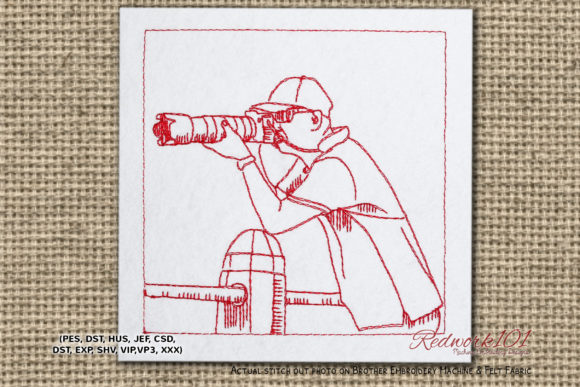
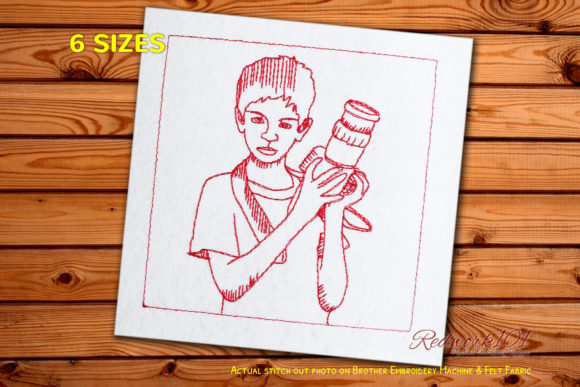
Photographer Boy Bluework immediately conveys a sense of artistic intent. The layout is clean, the subject matter is clear, and the overall aesthetic feels both modern and nostalgic. It’s the kind of design that could work well on custom apparel, baby items, or even as an embroidered patch. The visual personality leans toward something personal and meaningful, making it ideal for handmade products or personalized gifts.
The detail level is decent, with enough intricacy to make the design stand out without being overwhelming. It suggests a balance between simplicity and character, which is key for embroidery projects that need to maintain clarity at smaller scales.
Real-World Use Cases: Where Photographer Boy Bluework Fits Best
When considering practical use cases, Photographer Boy Bluework feels like a natural fit for tote bags, sweatshirts, and baby onesies. Its size and structure make it suitable for medium-sized hoop setups, which is great for small business owners or Etsy sellers looking to produce consistent, high-quality pieces.
It also has potential as a holiday or wedding gift. The design’s theme could be adapted for seasonal variations, and its visual appeal would make it a strong contender for boutique products or craft fair displays. For commercial embroidery projects, it could serve as a reliable design asset, especially if paired with the right thread colors and fabric choices.
One thing to note is that the outer box in the design is optional. This gives flexibility, allowing users to adjust the look based on their project needs. However, it also means that some versions may have a more subtle appearance, depending on whether the box is included or skipped.
Where to Be Cautious: Limitations and Potential Pitfalls
While Photographer Boy Bluework is versatile, there are areas where caution is warranted. If you're working with small hoop sizes, this design may not fit comfortably, which could lead to stitching issues or an uneven finish. Similarly, on textured or stretchy fabrics, the design might lose some of its definition, especially if the stabilizer isn’t properly applied.
On dark fabrics, the design’s contrast may be less visible unless the thread color is carefully selected. Thin or delicate materials could also pose challenges, particularly if the stitch density is too high. For these reasons, it’s always wise to test the design on scrap fabric before committing to a final project.
Another consideration is the design’s suitability for curved surfaces like caps or hats. While it’s possible to adapt the design for such applications, the corners and edges might require some adjustment to ensure the embroidery looks smooth and professional.
Impact on Visual Appeal and Customer Perception
Photographer Boy Bluework has the potential to elevate the visual appeal of any product it’s used on. When stitched correctly, it can add a touch of personality and craftsmanship that resonates with customers. This is especially important for handmade products, where the design plays a big role in the perceived value and quality of the finished item.
From a branding perspective, the design could help reinforce a cohesive look for a small shop or craft business. Its clean lines and recognizable theme make it easy to integrate into a larger product line or promotional campaign. For Etsy sellers, it could be a valuable addition to a digital product collection, offering a ready-to-use design that’s both functional and stylish.
When it comes to customer engagement, a well-executed embroidery project using Photographer Boy Bluework can spark interest and drive sales. Whether it’s a custom gift, a personalized piece of apparel, or a unique home decor item, the design’s appeal can translate into higher buyer satisfaction and repeat business.
Practical Designer Notes: What to Check Before Using
Before jumping into a project with Photographer Boy Bluework, here are a few practical steps to consider:
- Test on scrap fabric: Always start with a sample to see how the design looks in real conditions.
- Check thread color contrast: Ensure the chosen threads complement the fabric and enhance the design’s visibility.
- Review stitch density: Avoid overly dense areas that could cause puckering or fabric distortion.
- Confirm hoop size: Make sure the design fits within your available hoop dimensions.
- Inspect small details: Pay close attention to corners, lettering, and intricate elements to avoid errors.
- Test in black and white mockups: This helps assess how the design will appear on different backgrounds.
- Compare light and dark fabric: See how the design performs under various lighting and fabric conditions.
- Use proper stabilizer: This is essential for maintaining the integrity of the design, especially on delicate or stretchy materials.
- Check licensing: Confirm that the design is suitable for both personal and commercial use before selling finished items or digital products.
Final Thoughts: A Design Worth Exploring
Photographer Boy Bluework is a solid choice for designers and embroiderers looking for a versatile, expressive design. Its clean layout and thematic strength make it adaptable to a wide range of projects, from custom apparel to holiday gifts. However, like any embroidery design, it requires thoughtful application to ensure the best results.
If you're an Etsy seller, a small shop owner, or a creative entrepreneur, Photographer Boy Bluework could be a valuable addition to your design library. Just remember to approach it with care, test it thoroughly, and let the final product speak for itself.